


 Зважаючи на бажання та потреби представників українського бізнесу, особливо представників товариств (акціонерних та ін.) України, 19-23 жовтня 2020 була проведена 69 програма «Корпоративний секретар», яка дозволила її учасникам визначити для себе роль і правовий статус корпоративного секретаря, його завдання і можливе коло обов’язків в різних компаніях (від сімейної до біржової), зрозуміти особливості роботи корпоративного секретаря в банках та/або компаніях зі значною державною часткою.
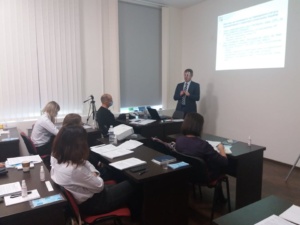 Програму розпочав Олександр Окунєв, голова Правління Професійної асоціації корпоративного управління, з висвітлення питань корпоративного управління та особливої ролі корпоративного секретаря в компанії.
Про загальні збори акціонерів розповідав учасникам Програми Євген Петрик, директор “Емкон”. Дискусія, як зазвичай, була жвавою.
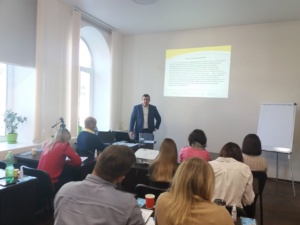 Питання щодо компетенції загальних зборів акціонерів, порядку їх скликання, реєстрації, кворуму, прийняття рішення, голосування та складання протоколів завжди викликають великий інтерес у слухачів, зважаючи на законодавство та нормативні акти, які в Україні мають схильність змінюватися. Як правильно проводити загальні збори акціонерів, щоб уникнути непередбачуваних негативних наслідків, – саме на такі питання слухачів відповідав Є.Петрик.
Оксана Заїка, менеджер Департаменту з корпоративного управління ДТЕК, поділилася з учасниками досвідом здійснення значних правочинів і правочинів з заінтересованістю. Зокрема Оксана зупинилася на висвітленні таких питань, як:
- Визначення «значного правочину» та «правочину, щодо вчинення якого є заінтересованість», законодавчі вимоги щодо порядку їх вчинення
- Обмеження у голосуванні з питань надання згоди на вчинення правочинів із заінтересованістю
- Наслідки недотримання вимог законодавства щодо вчинення значних правочинів та правочинів із заінтересованістю
- Досвід побудови системи погодження та контролю правочинів в ДТЕК
 Перший віце-президент Гільдії Аудиторів України Ірина Павлова прочитала дві лекції щодо зовнішнього та внутрішнього аудиту відповідно. Вона наголосила на тому, що внутрішній аудит є принципово відмінним від зовнішнього. В частині зовнішнього аудиту, зокрема, було зроблено наголос на меті проведення зовнішнього аудиту, як способу отримати незалежне професійне підтвердження достовірності фінансової звітності підприємства. Також в ході лекції Ірина Миколаївна зазначила про актуальну проблему отримання підприємствами позитивних висновків за результатами проведення зовнішнього аудиту, за умови, що такі підприємства, попри пряму норму Закону, так і не перейшли на міжнародні стандарти фінансової звітності. Слід нагадати, що порушення правил ведення бухгалтерського обліку унеможливлює позитивний висновок зовнішнього аудиту.
Лектор висвітлила і проблему так званої «трансформації фінансової звітності», похідних ризиків, які, з точки зору внутрішнього аудитора та наглядової ради підприємства, така послуга несе для сталого розвитку підприємства та захисту активів.
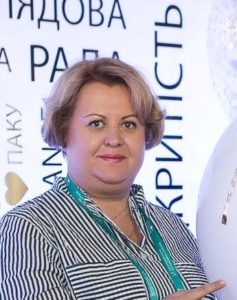 В частині внутрішнього аудиту, наголосила на принципових аспектах використання служби внутрішнього аудиту як ефективного інструменту ідентифікації та управління ризиками. Також лектор висвітлила реальні практичні приклади з життя ефективної роботи служби внутрішнього аудиту в приватному та державному секторах, в тому числі, навела дані щодо зарубіжного досвіду.
Основні правила розкриття інформації на фондовому ринку, а також про правозастосування, пов’язане з наданням емітентами недостовірної та неповної інформації, розповіла слухачам Програми Олена Ступак, виконавчий директор ТОВ «ЕМКОН». Окрім того, Олена провела зі слухачами Програми підготовки корпоративних секретарів практикум щодо особливостей складання звітів та змісту інформації, яка повинна бути висвітлена у звітах.
Організатори та учасники програми дотримувалися усіх санітарно-епідемічних норм, забезпечуючи безпеку учасників. Це вже друга програма, яка реалізується через поєднання онлайн та офлайн форматів. Частина учасників слухала програму в аудиторії, а частина з дому та офісу.
Усі 30 слухачів програми успішно склали іспит та отримали сертифікати.
Наступна програма запланована на 14-18 грудня 2020. Набір відкрито. Реєстрація тут.