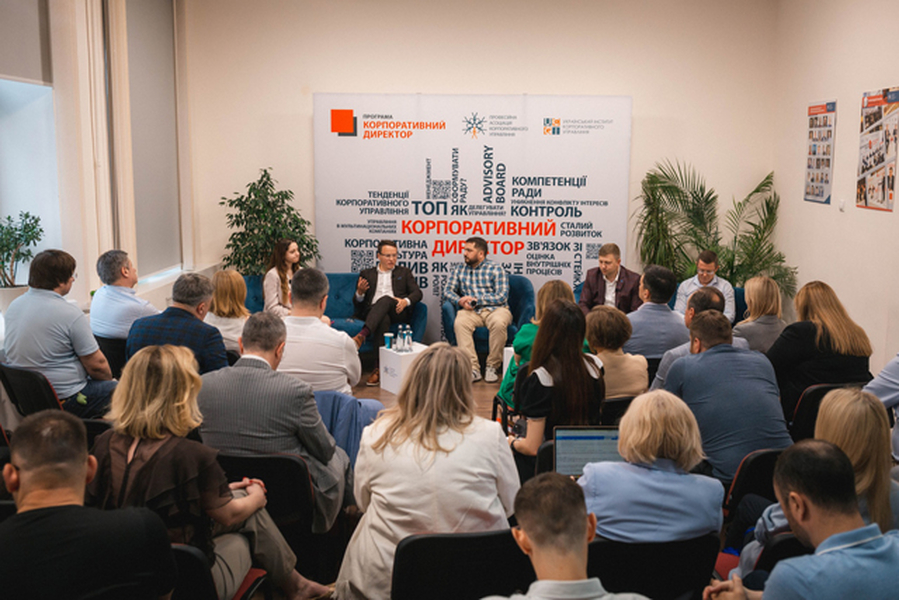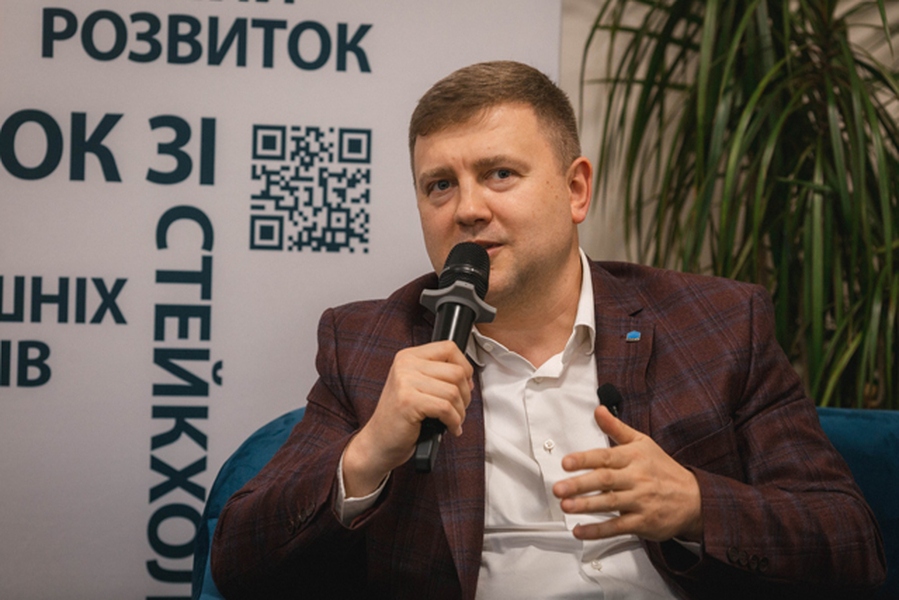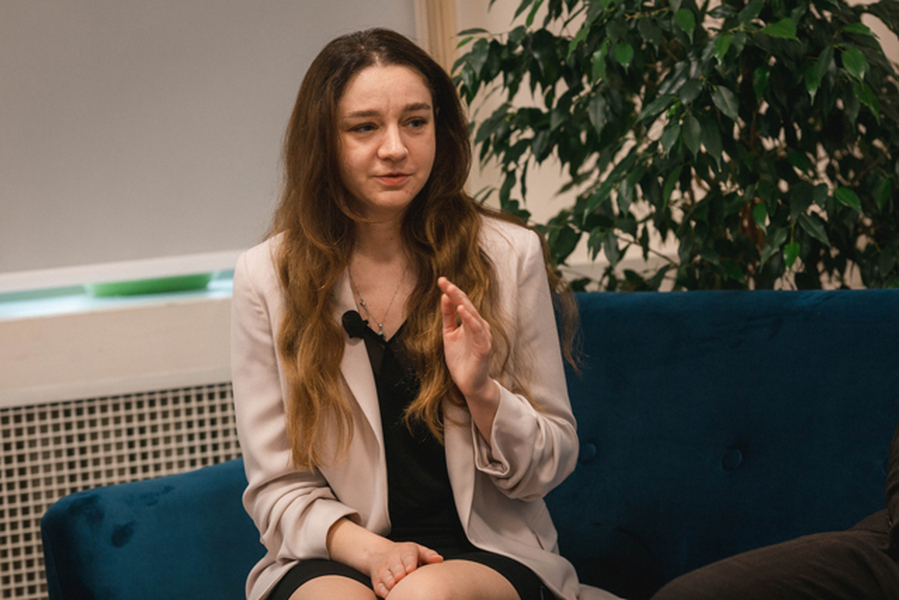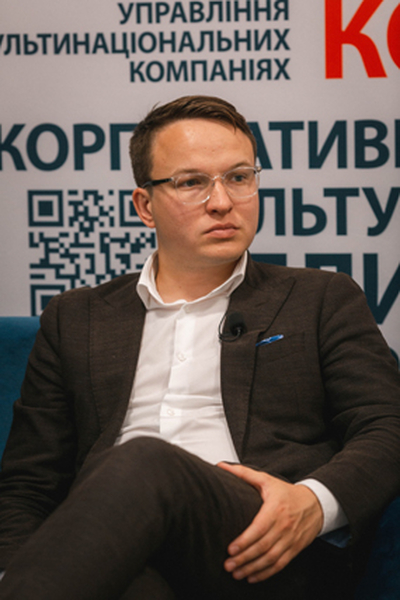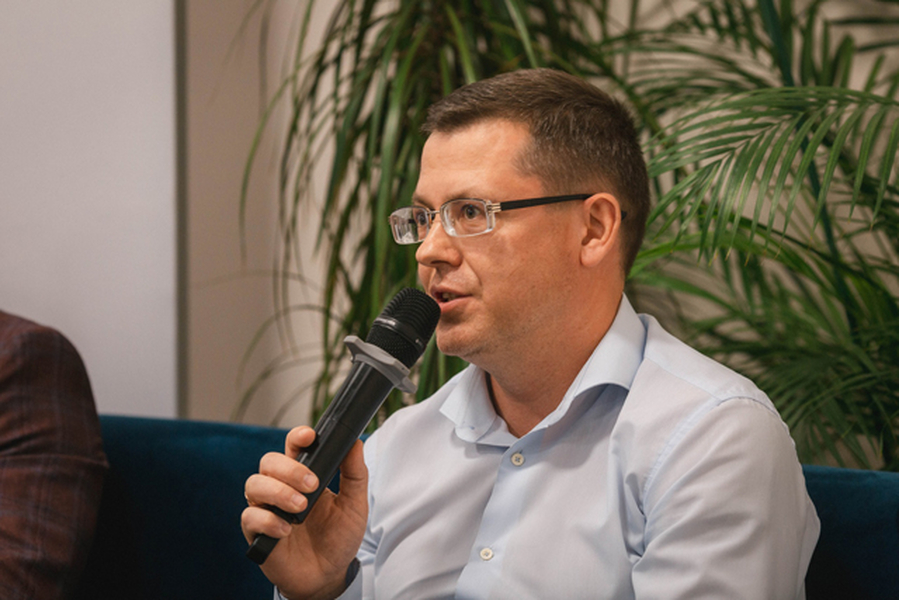
The introduction of corporate governance in state-owned companies is an important step to ensure their effective operation. On 23 May, the Corporate Governance Professional Association in partnership with the NGO Public Policy Development Office held the event ‘CORPORATE GOVERNANCE IN THE STATE SECTOR: WHAT DOES THE LAW AND MARTIAL LAW REQUIRE?”, during which changes to the Law on Corporate Governance of State-Owned Companies and expectations from its implementation were discussed. Among the questions posed to the speakers were the following:
- what iterations the Law has undergone and how criticism from its opponents has been taken into account,
- how the issue of balance between the independence of supervisory board members and their responsibility to the owner is regulated,
- what model of evaluation of the work of supervisory boards is laid down in the law,
- how the procedure for selecting members of supervisory boards will change,
- what the Ministry of Economy focused on when developing the regulatory documents, etc.
The speakers of the event were:
- Vitaliy KOVAL, Head of the State Property Fund of Ukraine
- Nadiia KOBYLYAK, Senior Project Manager, Reform Support Team, Ministry of Economy
- Oleksiy MOVCHAN, MP, Deputy Head of the Parliamentary Committee on Economic Development
- Pavlo FROLOV, Member of Parliament, Member of the Parliamentary Committee on Budget
The event was moderated by Ruslan Rokhov, Managing Partner of PGR Consulting Group LLC. Among the invited participants were CGPA members, members of supervisory boards and management boards of Ukrainian state-owned and private companies, corporate secretaries, legal advisers and many others for whom the issue of corporate governance of state-owned enterprises is on the agenda of their current activities.
Oleksandr Okuniev, Chairman of the CGPA Board of Directors, and Alla Dubrovyk-Rokhova, Chairman of the Board of the Public Policy Development Office, who were the ideological inspirers and co-organisers of the event, welcomed the participants.
Oleksandr Okuniev noted, “Reforming corporate governance in the public sector is generally a difficult task, and implementing updated approaches and standards during the elections is even more so. I am glad that changes are slowly coming and innovations are being implemented. And this is just the beginning of the conversation. The law has been passed – that’s good, and then there are bylaws, regulations, and the implementation and enforcement of the adopted provisions.”
Alla Dubrovyk-Rokhova noted that the reform started back in 2015. The reform of corporate governance in the public sector is one of the key requirements of Ukraine’s Western partners, and the war has only exacerbated the need for faster adoption of relevant legislation.
Nadiia Kobyliak said that a large group of experts and consultants, with the support of the EBRD, is currently working on a draft state property policy to be adopted in autumn 2024. One of the main authors of the project is Volodymyr Igonin, a CGPA Board Member, Partner, and Head of Corporate/M&A Practice at Vasil Kisil & Partners. The draft aims to take into account the opinions and initiatives of all stakeholders, which requires their active involvement and effective discussions. She noted that the main priority of the state in managing state property is to preserve, restore and provide for the security and defence forces.
Oleksiy Movchan noted that the task of any business is to make money, so the entire reform should be aimed at ensuring that state-owned enterprises are able to compete in the market and provide revenues to the state budget through dividends and taxes.
Vitaliy Koval noted that the adoption of the law is a significant step forward in the management of state-owned enterprises. Even though there are still a lot of discussions and amendments to be made, this is the so-called ‘point of no return’, and now it is only a matter of moving forward and overcoming new challenges. If we talk about the fund, it is impossible to effectively manage 2,300 enterprises. Therefore, only decentralisation, clearly defined algorithms, roadmaps, and a framework for managers and members of supervisory boards will facilitate quick and balanced decision-making for the effective operation of state-owned enterprises.
Pavlo Frolov paid attention to the issue of mandatory linking of the responsibility of members of supervisory boards of state-owned enterprises to the results of their operations (their efficiency and profitability) and the remuneration policy of these same members of supervisory boards.
In general, a lot of important issues were raised and even more constructive ideas and visions were expressed by both speakers and other active participants in the audience regarding the further implementation of the law’s provisions and especially the search and selection of the best candidates for the positions of independent members of supervisory boards of state-owned enterprises.
The discussion panel ‘Changes to the Corporate Governance Law in the Public Sector: What Board and Supervisory Board Members Should Know’ was only the beginning of a broader discussion and deeper analysis of the issues raised, and also provoked the emergence of many other challenges that require separate meetings and continued conversation.
A recording of the entire event is available on the CGPA YouTube channel.